Best Time to Visit Makkah: Weather, Climate & Monthly Temperatures
Discover Makkah’s weather by month, average temperatures, rainfall, climate, and the best time to visit for Umrah, Hajj, or sightseeing.
Millions of Muslims travel to Makkah every year to perform Umrah and Hajj, making it one of the world’s busiest pilgrimage destinations. Because much of the journey involves walking outdoors, understanding Makkah’s weather can help visitors prepare for a safer and more comfortable trip.
Whether you’re visiting for pilgrimage or sightseeing, here’s everything you need to know about the climate in Makkah.
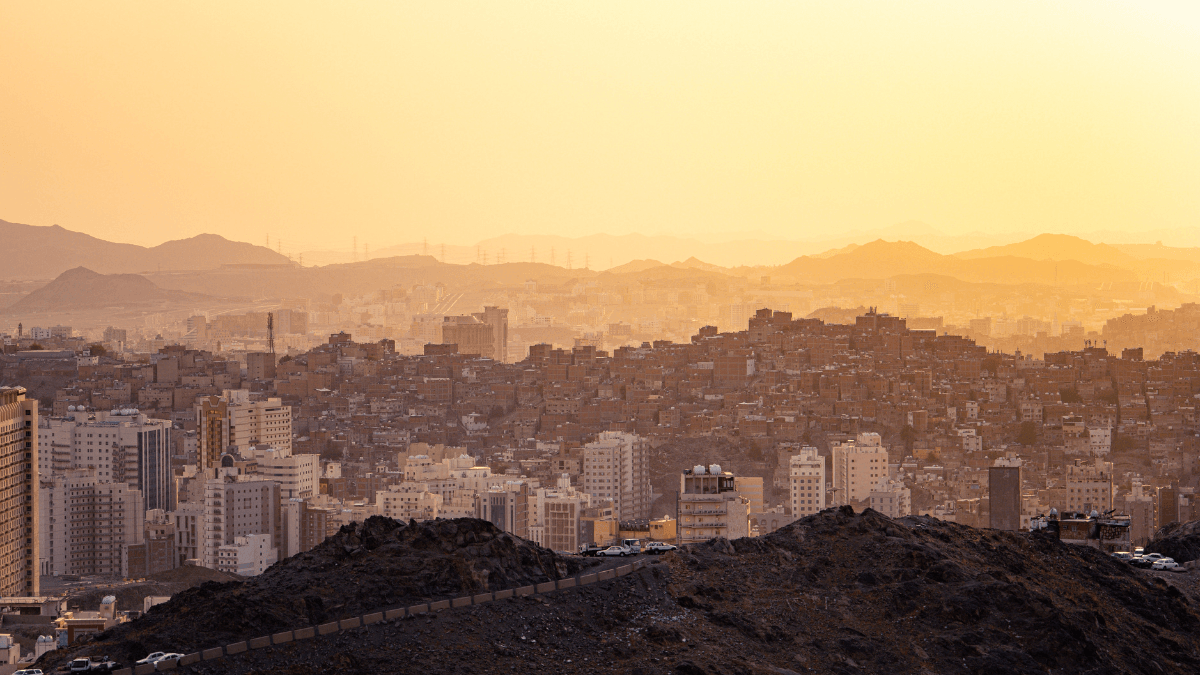
Makkah Climate
Makkah has a hot desert climate, characterized by:
- Very hot summers
- Mild winters
- Very little rainfall
- Plenty of sunshine throughout the year
Temperatures remain warm all year, with summer often bringing extreme daytime heat.
Weather by Season
Summer (May to September)
Summer is extremely hot.
Average daytime temperatures range between 40°C and 45°C, while heatwaves can occasionally push temperatures above 47°C.
Night temperatures usually remain between 29°C and 34°C, offering little relief from the heat.
If you’re visiting during summer:
- Drink plenty of water.
- Wear light, breathable clothing.
- Use an umbrella when walking outdoors.
- Avoid prolonged exposure to the afternoon sun whenever possible.
Autumn (October and November)
Temperatures begin to fall gradually.
Daytime temperatures generally range between 32°C and 39°C, making outdoor activities much more comfortable than during peak summer.
Winter (December to February)
Winter is the most pleasant season in Makkah.
Daytime temperatures typically range from 26°C to 31°C, while nights can cool to 16–20°C.
This period is ideal for walking between the Holy Mosque, hotels, and nearby areas.
A light sweater or jacket is usually sufficient for cooler evenings.
Spring (March and April)
Temperatures rise steadily during spring.
Expect daytime highs between 33°C and 39°C, with warmer afternoons becoming increasingly common toward April.
Rainfall in Makkah
Rain is uncommon in Makkah, with an average annual rainfall of only about 100 mm.
Most rain falls between November and January, usually as short thunderstorms.
Although rainfall is infrequent, heavy showers can occasionally cause localized flooding, so visitors should monitor weather updates during the rainy season.
After heavy rainfall in the region, the mountains in Makkah have started to turn green pic.twitter.com/Sfd3TuUUXM — • (@Alhamdhulillaah) November 26, 2023
Humidity
Humidity varies throughout the year.
Summer evenings can feel noticeably more humid, making the heat seem hotter than the actual temperature.
During winter, humidity levels are generally more comfortable.
Best Time to Visit Makkah
For most visitors, the best time to visit Makkah is between November and February.
During these months:
- Comfortable daytime temperatures
- Cooler nights
- Easier outdoor walking
- More pleasant conditions for Umrah
Visitors traveling during the summer months should prepare for extreme heat, particularly during the afternoon.
Weather During Hajj
Hajj follows the Islamic lunar calendar, so it moves approximately 10–11 days earlier each Gregorian year.
As a result, Hajj may occur during extremely hot summers in some years and during cooler seasons in others.
Pilgrims should always check the latest weather forecast before traveling.
Tips for Visiting Makkah
- Drink water regularly to stay hydrated.
- Wear lightweight, loose-fitting clothing.
- Use sunscreen with a high SPF.
- Carry an umbrella for shade during daytime walks.
- Wear comfortable walking shoes.
- Check the daily weather forecast before heading out.
- Rest during the hottest hours whenever possible.
Monthly Weather Overview
| Month | Average High | Average Low |
|---|
Conclusion
Makkah experiences warm weather throughout the year, with extremely hot summers and pleasantly mild winters. While visitors can travel to the holy city at any time, November through February generally offers the most comfortable weather for Umrah and sightseeing.
Regardless of the season, staying hydrated, dressing appropriately, and checking the latest weather forecast will help make your visit safer and more enjoyable.
More in this guide
- Jawazat clarifies procedure to renew expired final exit visa — Avoid penalties and ensure valid Iqama status
- Jawazat: Final Exit Visa Requires 30-Day Iqama Validity — Learn the key rules for issuing the visa
- Saudi Arabia Executes 4 Expats in Murder and Drug Smuggling Cases — Saudi Arabia executed four expats in separate murder and drug smuggling cases in Makkah and Asir
- Al Rajhi Mobile Registration: Your Complete Guide — Learn how to activate the app
- How to Register for Al Rajhi Phone Banking for the First Time — How to register in Al Rajhi phone banking and what is the Al Rajhi phone banking number and what are the features of this service
- Saudi Tourist Visa: Everything You Need to Know — Plan your trip now!